













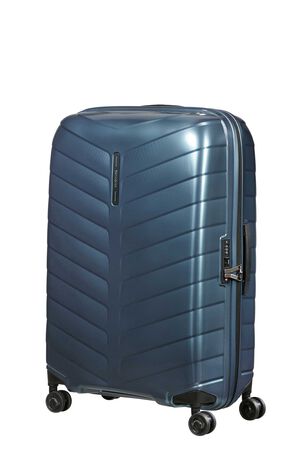
Hand Luggage, Suitcases & Cabin Bags for Modern Travel
Cabin luggage improves airport mobility, speeds up boarding, and removes the need to wait at baggage claim. Travelers use cabin luggage to avoid checked baggage fees while keeping essentials accessible throughout the journey
Airlines may apply different size and weight restrictions for cabin luggage, and these requirements can change over time. While we strive to keep cabin luggage information accurate and up to date, Samsonite accepts no responsibility if other restrictions apply or in case of restriction changes.
Travellers are encouraged to verify the latest cabin baggage requirements directly with their airline before departure. Many Samsonite carry-on luggage collections are designed to align with the cabin baggage dimensions accepted by a wide range of airlines, helping support a smoother travel experience.
Frequent travellers often prefer 55cm carry-on luggage because it fits most airline requirements while holding 2-4 days for 2–3 outfits. Compact cabin bags also move more easily through airports, train stations, and crowded boarding areas.
What Size Cabin Luggage Works Best?
Different travel types require different cabin luggage sizes and storage capacities.
| Trip Type | Recommended Size | Capacity |
|---|---|---|
| Overnight Trip | Under seat Bag | 20 to 25L |
| Weekend Travel | 55cm Carry On | 35 to 40L |
| Business Travel | Slim Cabin Spinner | Laptop storage |
| International Short Haul | Expandable Cabin Bag | 40 to 45L |
Packing cubes improve organization and maximize internal space. A standard 35L to 40L carry on suitcase usually fits several outfits, toiletries, electronics, and lightweight footwear.
Wheel durability also matters for frequent travel. Double spinner wheels improve stability across airports, train stations, and city streets.
What Are the Different Types of Cabin Luggage?
The different cabin luggage styles support different travel needs and packing habits.
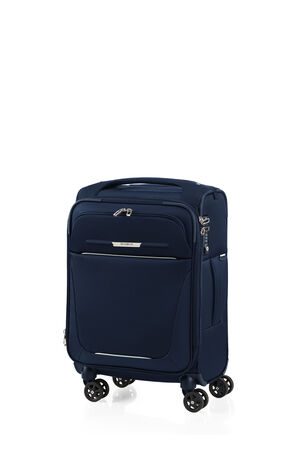
Underseat Cabin Bags
Underseat cabin bags keep laptops, chargers, passports, and travel essentials within reach during flights. These compact bags fit beneath the seat and simplify airport movement for short trips and business travel. Most under seat cabin bag support 1-2 days of essentials and reduce the need to compete for overhead bin space.
Overhead Cabin Bags
Overhead cabin luggage provides larger storage capacity while remaining within airline carry on limits. These bags support 2-5 days of clothing and travel essentials without requiring checked luggage.
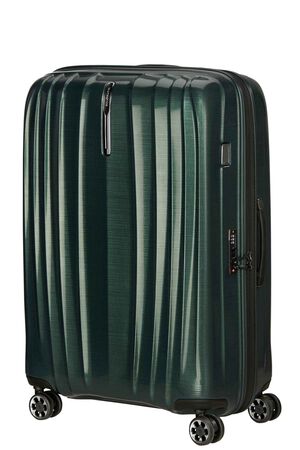
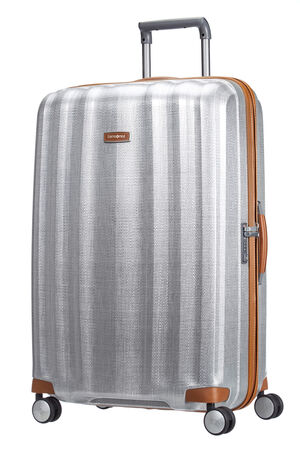
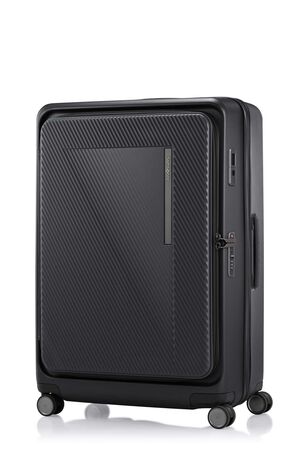
Hard shell luggage protects electronics and fragile items more effectively, while soft shell luggage offers flexibility and expandable storage.
Laptop Bags and Personal Items
Many airlines allow a smaller personal item alongside cabin luggage. Laptop bags and compact backpacks help travellers organize electronics, documents, and in flight essentials separately from clothing.
Which Cabin Luggage Suits Different Travelers?
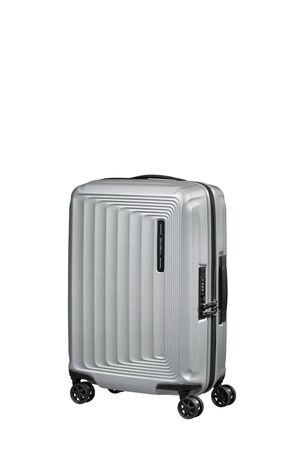
Hard shell cabin luggage works best for frequent flyers carrying electronics or structured clothing. Polycarbonate shells resist impacts and slide easily into overhead compartments.
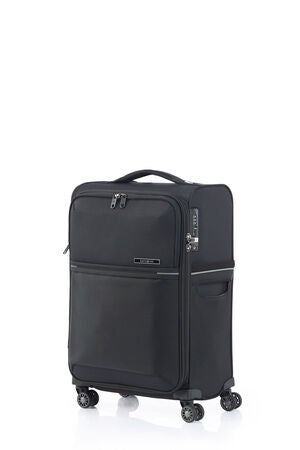
Soft shell luggage suits travellers who prioritize flexibility and lighter packing. External pockets and expandable sections also improve accessibility.
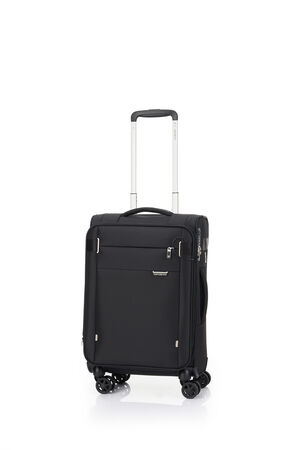
Business travellers often prefer slim cabin spinners with laptop compartments and smooth rolling wheels, while families benefit from lightweight luggage with organized compartments and expandable storage.
What Is Common Airline Carry-On Restrictions in Australia?
Australian airlines apply different cabin baggage rules based on fare type, route, and aircraft size. Domestic travellers often use 55cm carry-on luggage because this size aligns with most Australian airline requirements while still fitting overhead compartments efficiently.
| Airline | Typical Carry-On Limit |
|---|---|
| Qantas | 56 x 36 x 23 cm |
| Virgin Australia | 56 x 36 x 23 cm |
| Jetstar | 56 x 36 x 23 cm + strict weight checks |
| Rex Airlines | 56 x 35 x 23 cm |
| Bonza | Small cabin bag plus personal item |
International flights departing from Australia may also apply tighter carry-on weight allowances compared with domestic services. Travelers using multi airline itineraries benefit from following the smallest baggage allowance across all flight segments.